
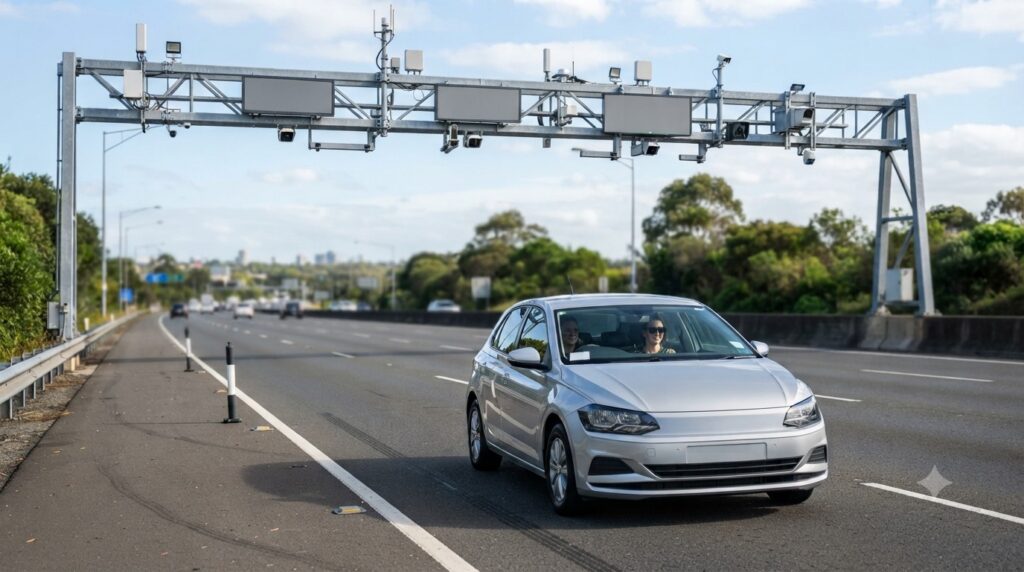
In brief: a FASTag verification API checks a vehicle’s FASTag record, confirming the tag is active and linked to the vehicle registration you expect, so fleets, lenders and mobility platforms can confirm a vehicle’s toll account without paperwork.
On this page
A Fastag is only useful if it's actually active, linked to the right vehicle, and issued by a bank in good standing — details that aren't always obvious from the tag alone. Here's what a Fastag verification check actually confirms, and where it fits into a lending, fleet, or logistics workflow.
What Does Fastag Verification Check?
Fastag verification looks up a tag and returns its live status, the issuing bank, and the vehicle it's linked to — confirming the tag is active and genuinely tied to the vehicle presenting it, rather than expired, blacklisted, or mismatched.

Why This Matters Beyond Tolls
- Vehicle financing — confirm a vehicle's Fastag details match its claimed registration before releasing a loan.
- Fleet onboarding — verify tags across an entire fleet are active and correctly linked before vehicles go into service.
- Used-vehicle resale — check tag and issuer details as part of confirming a vehicle's overall record during resale.
- Toll and logistics platforms — confirm tag-to-vehicle linkage to prevent misuse or fraud on tag-based systems.
How Fastag Verification Works
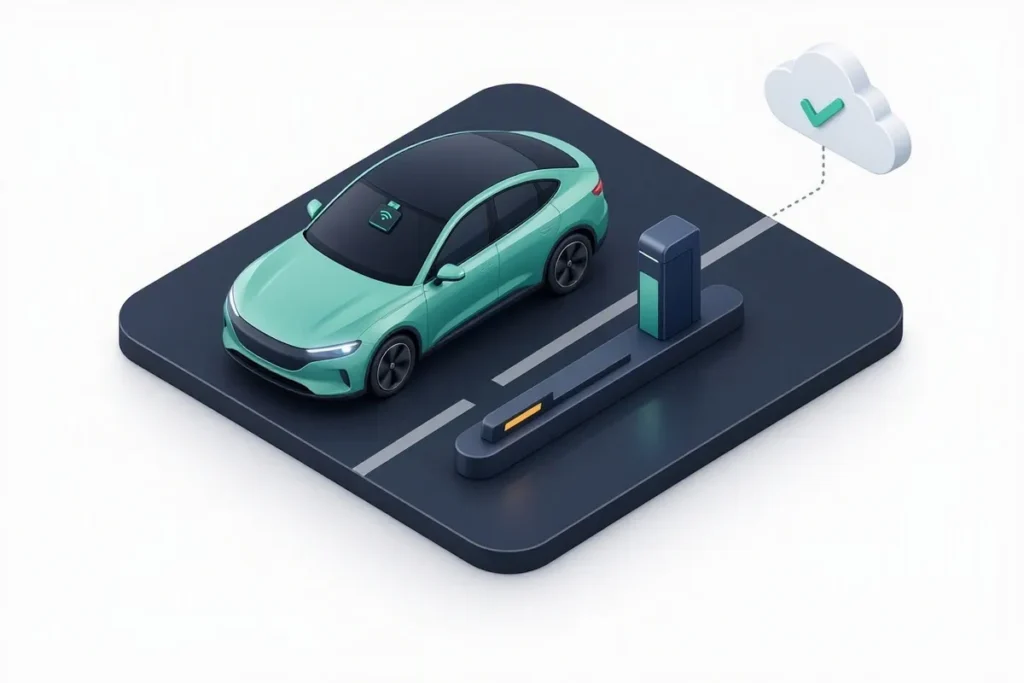
A Fastag verification API takes the tag or vehicle identifier and checks it against issuer records in real time, returning tag status, the issuing bank, and the linked vehicle details — turning a tag number into a verifiable, up-to-date record instead of an assumption.
How Veriqos Technologies Helps
Veriqos Technologies' Fastag API Provider checks Fastag details instantly — fetching live status, confirming the issuer bank, and validating linked vehicle details in seconds — so lenders, fleet operators, and dealers can confirm a tag is genuinely active and correctly linked before relying on it.
How teams use a FASTag verification API
FASTag is the electronic toll collection tag used on Indian highways. Each tag is issued by a bank and linked to a specific vehicle registration number. Because almost every vehicle that uses national highways must carry one, a FASTag verification API gives businesses a widely available, structured view of a vehicle and its tag status.
What a FASTag verification API typically confirms
- Whether a FASTag exists for a given vehicle registration number.
- Whether the tag is active, or blocked or closed.
- The vehicle registration the tag is linked to, so you can confirm it matches the vehicle in front of you.
- Tag details such as the issuing bank and vehicle class, where available.
Use cases for a FASTag verification API
Fleet and logistics operators use a FASTag verification API to confirm every vehicle can pass toll plazas before it is dispatched, avoiding delays and penalties. Vehicle lenders use it as one of several signals that a financed vehicle exists and is in use. Rental and subscription platforms use it to check vehicles at handover and return. Insurers and used-vehicle marketplaces use it alongside RC and insurance checks to build a fuller picture of a vehicle.
Combining vehicle checks
A FASTag verification API is most useful as part of a set. An RC check confirms the vehicle’s registration details and owner; an insurance check confirms cover is active; a FASTag check confirms the toll account. When all three agree on the registration number and vehicle details, you can be confident about the vehicle. When they disagree, you have a specific question to investigate.
Designing the flow
- Collect the vehicle registration number once, and validate its format.
- Run the RC check to confirm the vehicle and its owner.
- Run the FASTag verification API to confirm the tag status and linkage.
- Run an insurance check where cover matters to your decision.
- Store the results together with the date of the check.
Handling problems
If the FASTag verification API shows no active tag, the vehicle may be using a blocked tag, a tag linked to another vehicle, or no tag at all. For fleets, that means the vehicle should not be dispatched on tolled routes until it is fixed. For lenders and platforms, it is a prompt to ask the owner for clarification. Write these rules down so operations teams respond consistently.
Re-checking over time
Tag status changes when balances run out, tags are replaced or vehicles are sold. For vehicles you work with continuously, re-run the FASTag verification API periodically and before important events such as dispatch on a long route or a change of ownership.
Why a FASTag verification API beats documents
Paper documents and screenshots show a moment in the past and can be altered. A FASTag verification API reflects the record when you check it, which is what operational decisions actually need. It also removes manual data entry, reducing errors in fleet and lending records.
Getting started
Start with the vehicles where tag problems cost you most, such as long-haul trucks or newly financed vehicles, and add the FASTag verification API to that step first. Measure how many issues it catches before rolling it out to the rest of your fleet or portfolio. Information about the FASTag programme is available from IHMCL, the FASTag programme operator, and vehicle registration services from the Parivahan Sewa portal.

Conclusion
Fastag verification is a small check that closes a real gap in vehicle-related workflows — confirming a tag is active and correctly linked takes seconds, but catches mismatches that would otherwise surface only after a loan is disbursed or a vehicle is already in service.
Related verification APIs
- Fastag API Provider — Verify Fastag details instantly — fetch live status, confirm the issuer bank, and validate linked vehicle details in seconds.
- Chassis to RC Verification API — Validate vehicle registration details from the chassis number instantly, for loan processing, insurance, or fleet onboarding.
Building this into your workflow? See Veriqos Technologies for Fintech & Digital Lending, or browse the full verification API marketplace.