
In brief: what is NACH? It is the system that lets businesses collect and pay recurring amounts electronically, such as loan EMIs, SIPs and subscriptions, using a mandate the customer has approved.
On this page
What NACH is
NACH (National Automated Clearing House) is a bulk electronic payment system operated by NPCI that processes recurring debit and credit instructions at scale — the infrastructure behind EMI auto-debits, SIP contributions, salary credits, and similar repeating transactions.

What an e-Mandate is
An e-Mandate is the digital authorization a customer gives a lender or biller to debit their account on a recurring basis through NACH, replacing the older paper-based ECS mandate process. Verifying the underlying bank account before an e-Mandate is set up is what a penny-drop or penny-less check is typically used for.
What is NACH used for in practice
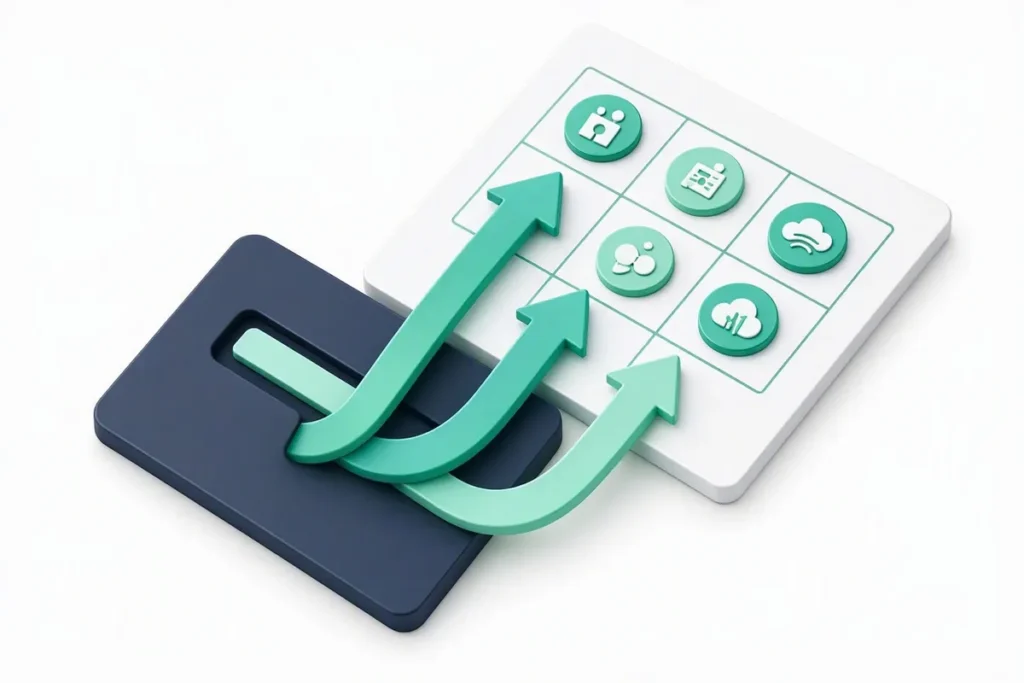
Anyone asking what is NACH is usually trying to set up recurring collections. Lenders use it for EMI collection, mutual funds for SIP instalments, insurers for premiums, and subscription businesses for monthly fees. On the payout side, it is used for bulk credits such as salaries, dividends and subsidies.
How an e-Mandate is set up
- The business creates a mandate request with the amount limit, frequency and validity period.
- The customer authenticates it, typically through net banking or a debit card, instead of signing a paper form.
- The customer’s bank registers the mandate.
- The business presents debits within the mandate’s limits on the agreed schedule.
Why account verification comes first
A mandate registered on the wrong account, or on an account not held by the customer, fails or causes disputes later. Verifying the bank account and the account holder’s name before the mandate is created reduces failed registrations and bounced debits.
Common failure points
- Account details that do not match the customer’s records.
- Mandates set with amount limits too low for future debits.
- Customers abandoning the bank authentication step.
- Insufficient balance on the debit date.
Designing a good mandate journey
Explain what the customer is approving and why, show the maximum amount and frequency clearly, and send a confirmation once the mandate is registered. A clear explanation answers the customer’s own version of what is NACH and why they should approve it. Banking and payment rules are published by the Reserve Bank of India.
NACH and UPI AutoPay
Businesses collecting recurring payments today often offer more than one route. NACH mandates work directly on a bank account and suit larger or longer-running commitments such as loan EMIs. UPI-based recurring payments are popular for smaller, frequent amounts because customers approve them in their UPI app. Offering both lets customers choose the route they trust, and lets the business match the method to the size and frequency of the payment.
Managing mandates over time
A mandate is a long-lived authorisation, so plan for its lifecycle: confirm registration, notify customers before debits where appropriate, handle failed debits with clear communication and a retry policy, and cancel or amend mandates promptly when the customer asks or the loan or subscription ends. Good lifecycle management reduces disputes and keeps the relationship with the customer healthy.
Record keeping for mandates
Keep a clear record for each mandate: when it was created, how the customer authenticated it, the account it was registered on, the amount limit and frequency, every debit presented against it and its outcome, and when it was amended or cancelled. That history makes it simple to answer customer questions, resolve disputes about specific debits, and show auditors that collections followed the customer’s instructions. It also helps operations teams spot patterns, such as mandates that repeatedly fail on the same bank, so the underlying cause can be fixed rather than handled case by case.
Common questions
What is NACH compared with a standing instruction? A standing instruction is set up with the customer’s own bank to pay out; with NACH, the business presents debits against a mandate the customer has approved. What is NACH used for most often? Loan EMIs, SIPs, insurance premiums and subscriptions. Can a customer cancel a mandate? Yes, customers can ask for a mandate to be cancelled, so businesses should handle cancellations promptly and stop presenting debits.
Related terms
Verify it with Veriqos Technologies
← Back to the verification glossary
What is NACH? More resources
If you searched for what is NACH, see also our Bank Account Verification API and Penny Drop Verification API, or talk to our team. For the official source, see the Reserve Bank of India website.